
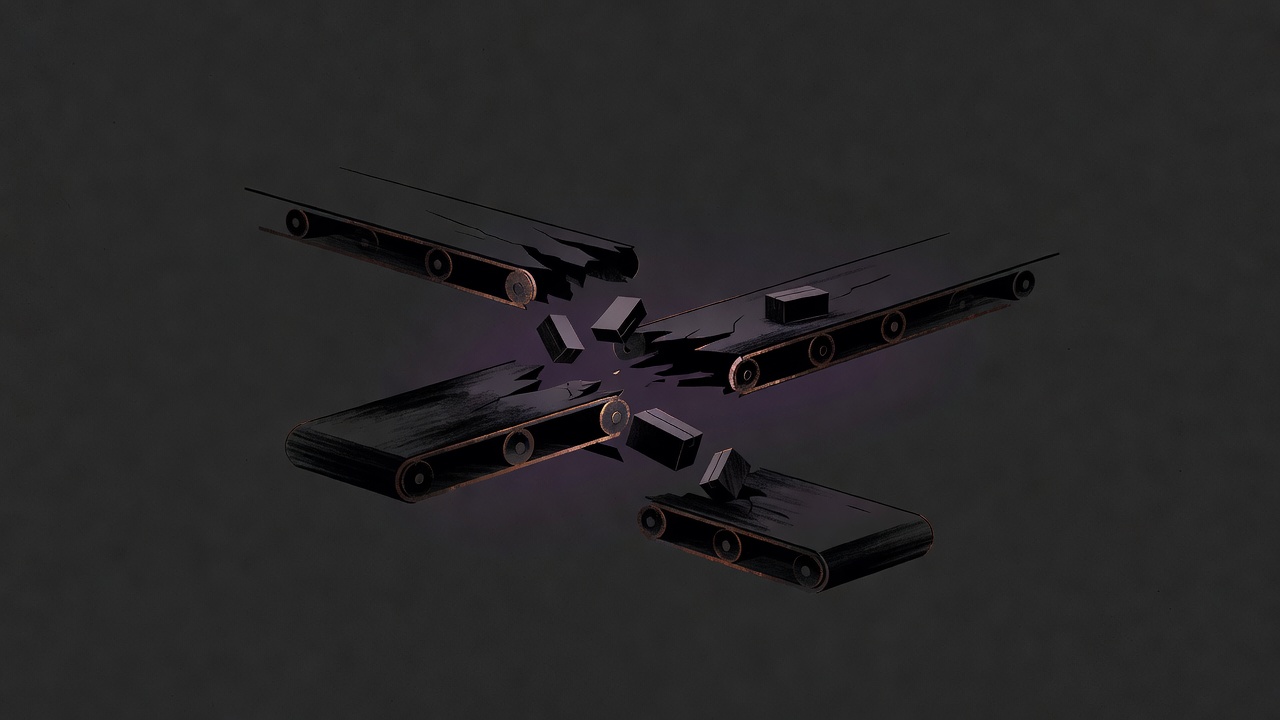
Your billing operations lead watches another RPA script fail when an order moves from sales into finance. The bot was trained on clean handoffs that never occur once real exceptions hit the queue.
RPA vendors sell the idea of seamless stitching across systems. In practice the automation stops at the first policy difference between two teams that both claim ownership of the next step.
The hidden cost sits in the exception queues. Every bot that cannot decide on a partial payment or mismatched reference spawns a ticket that lands back on a human who now spends longer fixing the mess than they did before the rollout.
Procurement often funds the licence but skips the mapping of actual decision rights. Without agreement on who owns overrides, the automation team ships fragile scripts that senior managers later blame for delays they created.
Australian distribution firms see the pattern clearest during month-end closes. One bot pulls data from the warehouse system, another from accounts, yet neither can reconcile stock adjustments that cross both ledgers without a third person stepping in.
The fix starts with naming the exact handoff points and the single owner authorised to resolve them. Only then can any automation survive contact with the real organisation instead of the process map drawn in a workshop.
Measure success by the reduction in exception volume, not bot uptime. If the number of manual interventions rises after deployment, the project has simply automated the wrong problem at higher speed.