
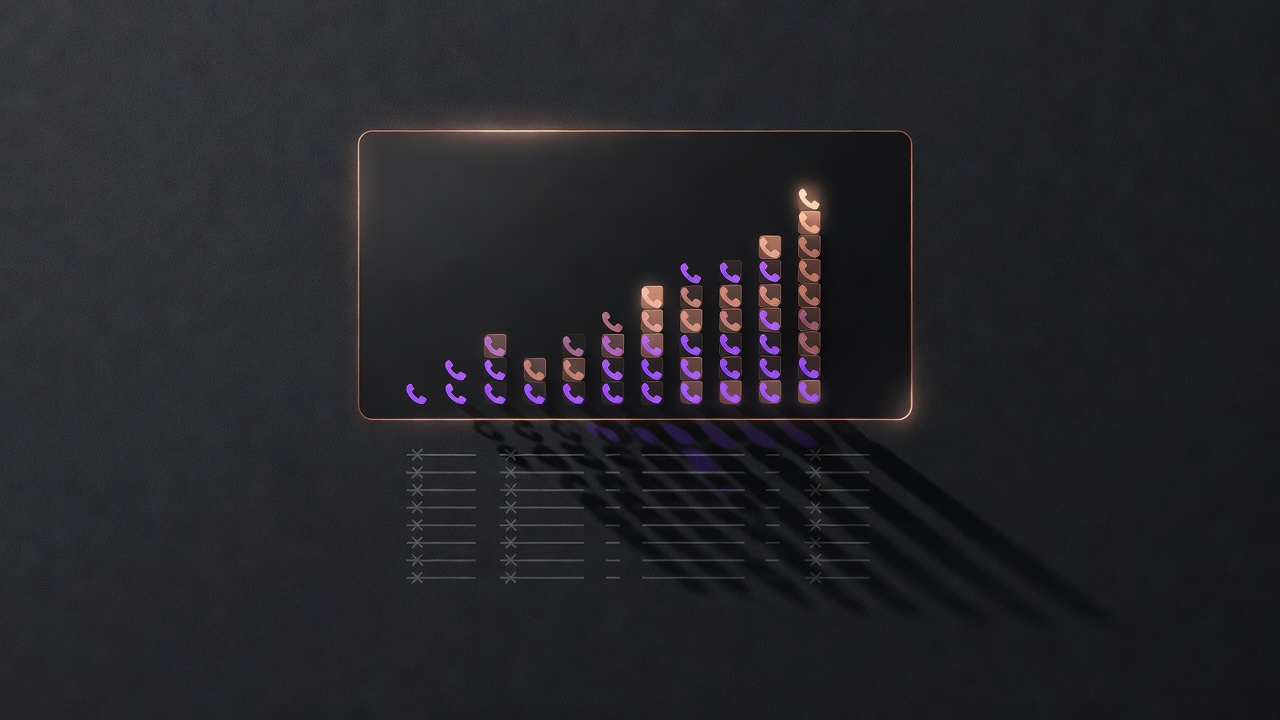
Invocation totals replace outcome tracking in AI dashboards because they require no access to the downstream records that would reveal whether any decision actually improved.
The metric registers a successful API response the moment the model returns a label or score. It never checks whether that output altered a process step or simply triggered another manual review queue.
Procurement teams negotiate SLAs around uptime and call volume because those numbers appear in the contract schedule. Accuracy drift, label noise, and distribution shift stay outside the penalty clauses.
When the board asks for AI success, the response arrives as a chart of weekly calls per model. The same chart omits the rising volume of cases escalated to senior staff after the model output proved unusable.
Teams therefore optimise the inputs that increase call counts: wider query ranges, looser confidence thresholds, and duplicate submissions to multiple models. None of these moves improve the underlying business result.
The finance function later records the extra headcount needed to correct model outputs under general operating costs. That line item never appears against the AI programme budget, preserving the original ROI narrative.
Replace call-volume targets with a single tracked delta: the measured change in error rate or cycle time on the exact cohort the model was meant to affect. Anything else is theatre.