
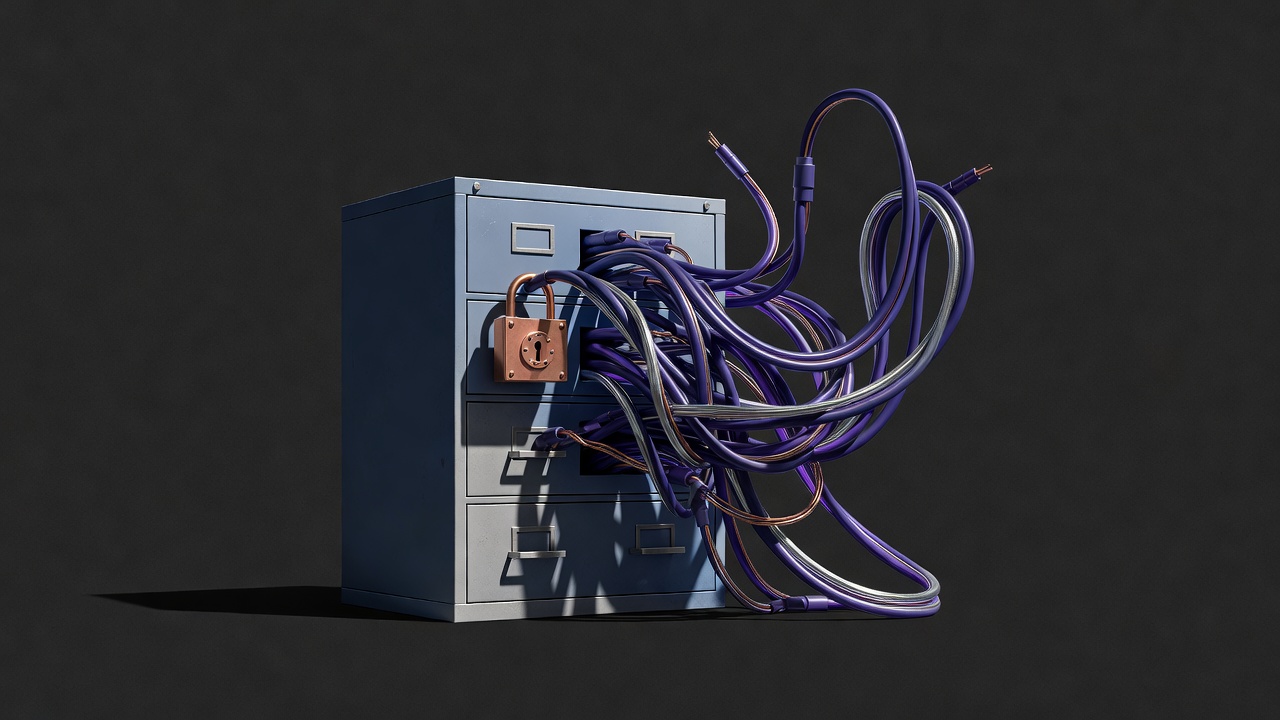
Records managers in mid-sized Australian firms inherit EDRMS instances where the published API endpoints sit two major versions behind current vendor releases. Any attempt to pipe audit events into downstream analytics or AI classification tools triggers immediate schema mismatches.
Procurement teams sign multi-year support contracts that treat API stability as an afterthought. The vendor ships a deprecation notice, the internal team lacks the specialist to rewrite the integration layer, and the records workflow reverts to nightly CSV exports.
The result shows up in compliance reporting cycles. A single unhandled field rename in the document metadata means entire batches of retention schedules fail to sync, leaving legal teams chasing paper trails that should have been automated months earlier.
Council and utility operators face this acutely because their EDRMS must interface with both state archives and internal asset registers. Without event subscriptions that survive version bumps, every integration becomes a bespoke rebuild funded from operational budgets.
The fix starts with treating the EDRMS not as a records vault but as a live event source. Demand contract clauses that guarantee backward-compatible payloads for at least eighteen months and allocate dedicated integration engineering time rather than hoping the vendor's roadmap aligns with your audit calendar.
Without that shift, records teams continue absorbing the cost of every upstream change while the promised AI-assisted classification remains stuck behind brittle plumbing.