
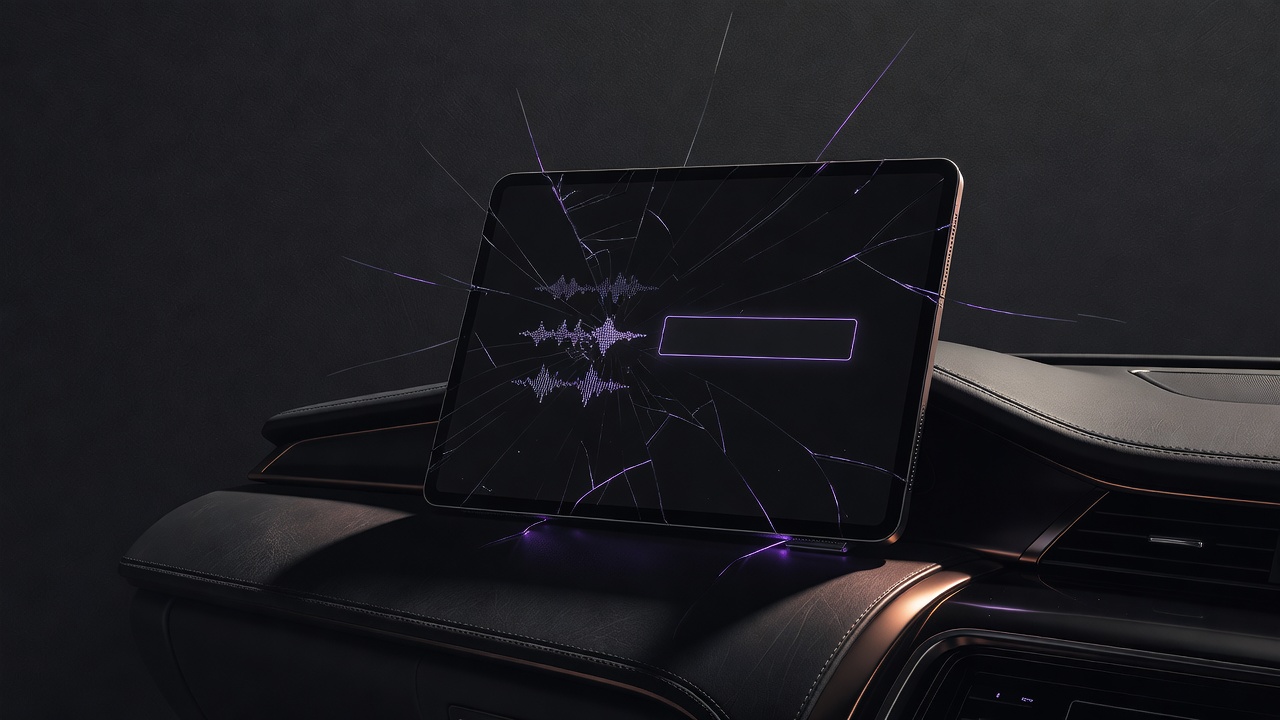
The tablet screen flickers black then returns with a blank ticket form while the technician waits at the gate. The voice notes captured seconds earlier never make the handoff to the repair queue.
Contact centre platforms now push every escalated job into mobile apps that treat the last voice capture as optional metadata. Under any network jitter the field device drops the buffer and forces manual re-entry.
Teams measure success by closure speed, so the missing notes never appear in the SLA report. The customer repeats the fault location to the next person who arrives, adding minutes that compound across the shift.
Vendors sell the integration as seamless because their test calls run on clean lab networks. Real roadside conditions expose the gap between promised sync and the actual drop when signal fades for thirty seconds.
Procurement signs the licence after watching a demo where the note survives one simulated delay. No one tests what happens when thirty concurrent escalations hit the same tower during a storm event.
The cost shows up in repeat visits rather than licence fees. Each overwritten note creates a second truck roll that the original call should have prevented.
Fix the buffer priority first. Route the audio capture through a local store on the device that only clears after confirmed delivery to the work order, not on every network heartbeat.