
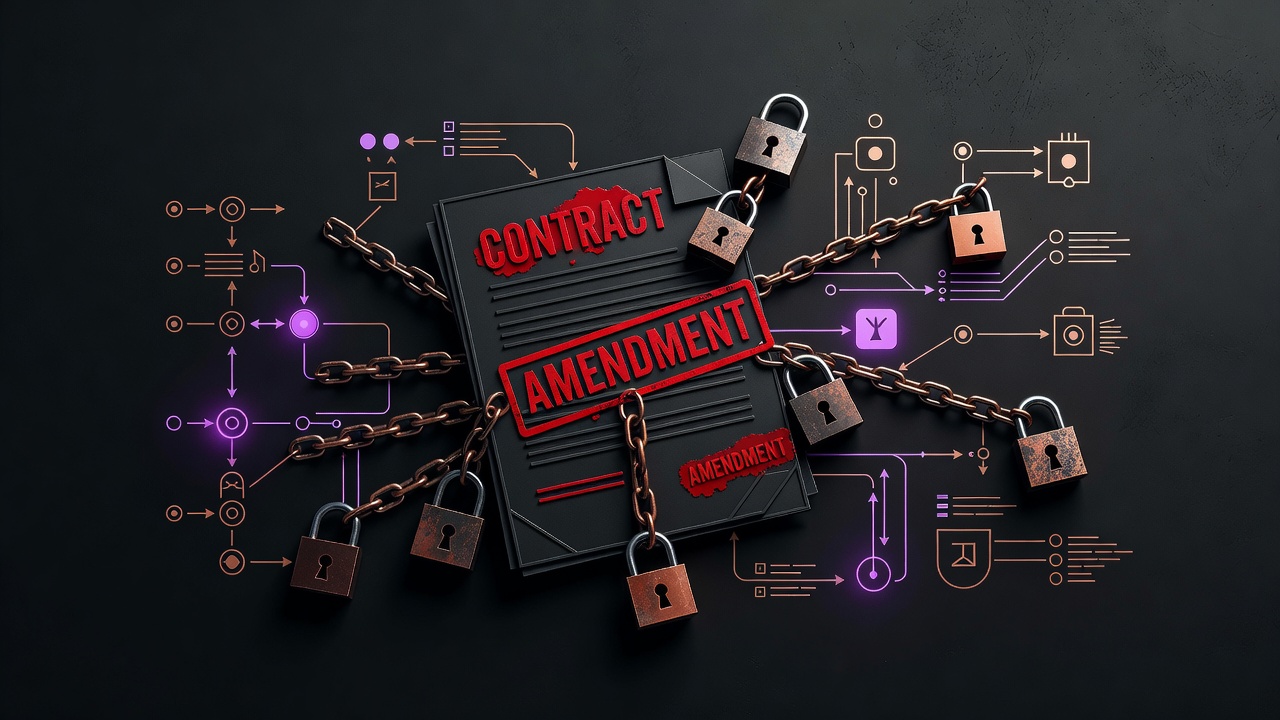
Do not accept change-control gates that price every post-go-live integration fix as new scope. Those gates freeze the learning that platforms actually require once real data and processes collide.
Buyers keep signing enterprise licences on the promise of future flexibility. The contract then defines any deviation from the original blueprint as out-of-scope work that triggers fresh quotes and approvals.
Consultants embedded in the programme office benefit directly. Each adjustment becomes another timesheet line rather than an expected outcome of fitting the tool to live operations.
The result is a frozen specification that no one updates after first contact with legacy systems. Teams discover the real mappings and workflows only after the payment schedule has already locked the original design in place.
Australian enterprises see the pattern repeat in finance and supply platforms. The licence fee lands on the balance sheet while the integration debt accrues in unbudgeted variation claims.
Rewrite the commercial model before signature. Tie a fixed percentage of the contract value to demonstrated data flows and exception handling rather than milestone documents alone.
Require the vendor and any retained consultants to absorb the first round of integration corrections inside the base fee. Otherwise every lesson simply extends the engagement and inflates the total cost of ownership.